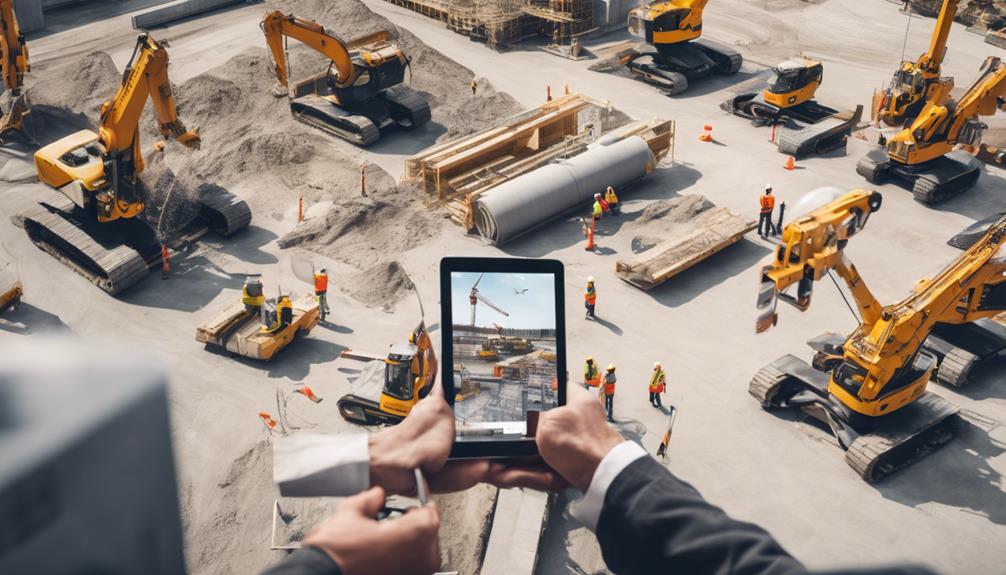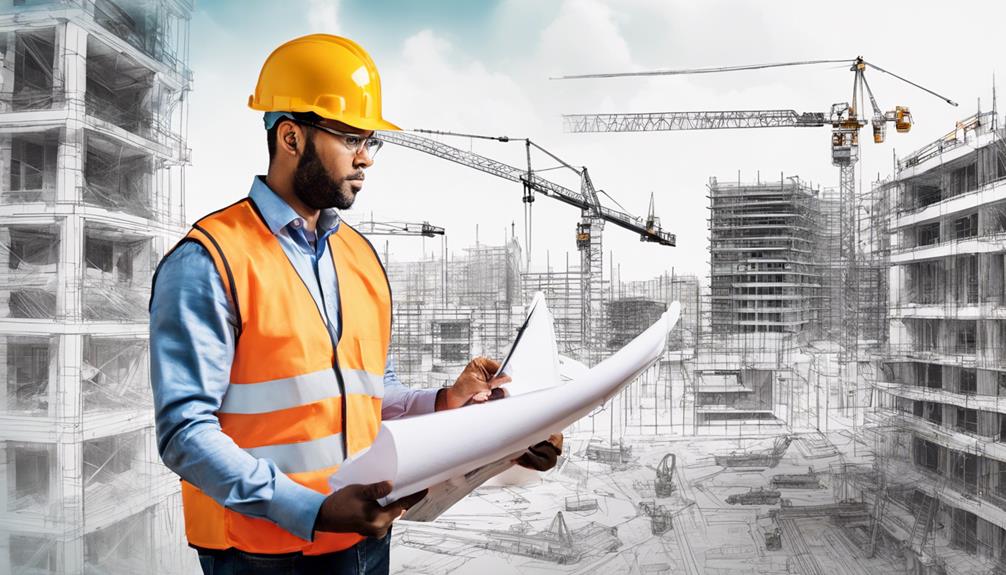
To enhance your project management in construction, start by defining clear, measurable goals and integrating advanced software solutions that streamline your operations. Utilize big data and analytics to make informed decisions and optimize resources efficiently. You'll also want to improve communication by establishing regular check-ins and using centralized digital platforms that foster open dialogue. Prioritize scheduling and resource optimization through advanced tools that allow real-time adjustments. Don't forget to manage risks by conducting thorough assessments and implementing mitigation strategies. Exploring these areas further can significantly increase your project's success and efficiency.
Defining Project Management Goals
Setting clear project management goals is essential for the success of any construction project. You need to establish what you're aiming to achieve from the outset. This clarity will guide your team and ensure everyone's on the same page.
Start by defining specific, measurable objectives. Are you looking to complete the project within a certain timeframe? Is staying within budget a priority? Identifying these targets early on helps prevent scope creep and keeps the project on track.
Next, consider the quality standards required for the project. What level of detail and finish are your clients expecting? Setting high standards from the beginning can save you from costly reworks and delays later on.
It's also crucial to outline the resources available, including manpower, materials, and equipment. Knowing what you have and what you need prevents last-minute scrambles and ensures smoother project execution.
Integrating Advanced Software Solutions
Integrating advanced software solutions into your project management approach can dramatically enhance efficiency and accuracy. By adopting these tools, you're not just keeping up with the times; you're actively streamlining every phase of your construction projects. From initial planning to final delivery, every step can be optimized.
These software solutions enable you to manage tasks with greater precision. You can track project progress in real time, ensuring that every detail aligns with your schedule and budget. It's about having the right tools to foresee potential delays and react proactively rather than reactively.
You'll find that effective communication is easier to achieve. Software platforms often come with integrated communication tools that keep everyone from subcontractors to stakeholders updated on project developments.
Moreover, the risk of human error significantly drops. Automated calculations and digital record-keeping provide a level of accuracy that manual processes can't match. You're not just doing things faster; you're doing them right. This reduction in errors not only saves time but also potentially saves money that would otherwise be spent correcting mistakes.
Embrace these technologies, and you'll see not just incremental, but transformative changes in how your projects are managed.
Utilizing Big Data and Analytics
As you adopt advanced software solutions for your construction projects, harnessing the power of big data and analytics can further enhance your decision-making processes. You'll find that big data isn't just a buzzword but a transformative tool that lets you predict trends, optimize resources, and reduce costs effectively.
By collecting and analyzing vast amounts of data from your construction sites, you're empowered to make predictive analyses that foresee potential delays or material shortages before they become critical issues. Imagine being able to adjust your project timelines or resource allocation in real-time, based on data-driven insights rather than mere guesswork.
Moreover, big data helps you identify patterns that could lead to cost overruns or schedule slippages. With this knowledge, you can implement preventative measures rather than merely reacting to problems as they occur. This proactive approach not only saves money but also improves overall project efficiency.
Utilizing analytics also allows for a deeper understanding of worker productivity and machinery usage. You can optimize operations by pinpointing exact areas of inefficiency or overuse, ensuring that every aspect of your project is as productive as possible.
Embracing big data and analytics transforms how you manage construction projects, making your processes smarter and more responsive to the ever-changing dynamics of the field.
Improving Communication Channels
Effective communication is essential in ensuring that your construction project stays on track. To improve your communication channels, start by implementing a centralized digital platform where all stakeholders can access real-time updates, documents, and feedback. This eliminates the confusion that often arises from using multiple communication tools and ensures everyone's on the same page.
You'll also want to establish regular check-ins. Weekly meetings or brief daily huddles can significantly enhance the flow of information among team members. During these sessions, encourage open dialogue by asking specific questions and soliciting input from various team members. This approach not only promotes inclusivity but also helps in quickly identifying any misunderstandings or gaps in information.
Don't overlook the importance of clear, concise communication. Train your team to communicate their points succinctly, focusing on key information without unnecessary details. This is particularly crucial when dealing with complex project elements or when communicating under tight deadlines.
Lastly, consider the feedback loop. Regularly solicit feedback on the effectiveness of your communication strategies and be prepared to make adjustments. This continuous improvement will ensure your communication channels evolve with the project's needs, keeping everyone aligned and informed as the project progresses.
Scheduling and Resource Optimization
Nearly every successful construction project hinges on meticulous scheduling and optimal resource allocation. You're at the helm, and it's your responsibility to ensure everything is perfectly timed and resources are utilized to the max. This isn't just about keeping your project on track; it's about maximizing efficiency and cutting costs wherever possible.
First off, dive into the world of advanced scheduling software. Tools like Gantt charts and Critical Path Method (CPM) can transform your approach. You'll see your project's timeline spread out before you, identifying which tasks are critical and which can flex.
This visibility allows you to adjust resources dynamically – shifting manpower and materials to where they're needed most without a hitch.
Next, consider the integration of real-time data feeds. By keeping your schedule updated with the latest on-the-ground info, you can preempt bottlenecks before they throw a wrench in your gears. It's all about being proactive rather than reactive.
Lastly, don't overlook the power of regular schedule reviews. These aren't just check-ins; they're strategic sessions to reassess priorities and resource allocations based on current project status and upcoming needs. Staying agile in your scheduling can make or break your project's success.
Monitoring and Managing Risks
While scheduling and resource optimization lay a solid foundation, monitoring and managing risks are crucial to safeguard your construction project from unforeseen setbacks. You need a proactive strategy to identify potential hazards before they escalate into costly issues.
Start by conducting a thorough risk assessment during the initial phases of your project. You'll want to involve all stakeholders in this process to ensure every possible risk is covered, from financial uncertainties to environmental challenges.
Once you've identified the risks, prioritize them based on their potential impact and likelihood of occurrence. This prioritization helps you allocate resources more effectively to address the most critical risks first.
Implement risk mitigation strategies, such as securing insurance, training your staff on safety protocols, and establishing strong communication channels to keep everyone informed and responsive.
Regularly review and update your risk management plan. The construction landscape is dynamic, and new risks can emerge as the project progresses. By keeping your risk assessments current, you can adapt quickly and keep your project on track.
Conclusion
You've set clear goals and now, by integrating cutting-edge software and big data analytics, you're transforming how you manage construction projects. Improved communication channels and optimized scheduling ensure resources are used efficiently. Always stay vigilant about potential risks, adapting your strategies as needed. With these tools and techniques, you're not just keeping up; you're setting new standards in project management, leading to more successful and predictable construction outcomes. Keep pushing the boundaries, and you'll continue to excel.
Related articles: Top Sustainable Materials for Commercial Construction