
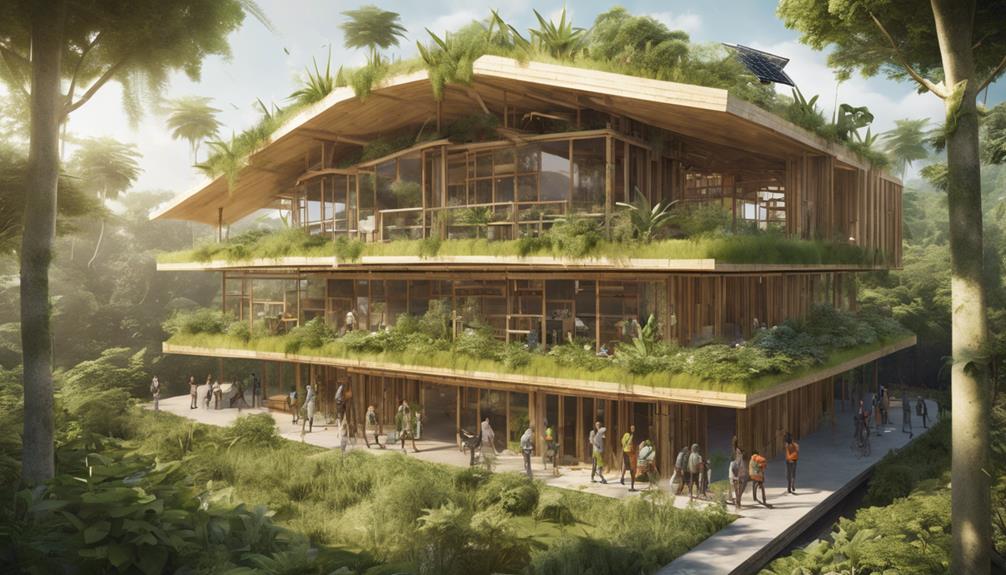
Choosing sustainable commercial construction can save you a significant amount of money over time. You'll see lower energy costs thanks to advanced insulation, energy-efficient windows, and smart HVAC systems that optimize energy use based on occupancy. Additionally, water usage will decrease with technologies like low-flow fixtures and rainwater harvesting systems. Maintenance costs also drop due to the use of durable, high-quality materials and energy-efficient systems requiring less frequent servicing. Over the long haul, these strategies not only reduce your operational expenses but also enhance your property's value and longevity. There's even more to discover about how these savings add up.
Lower Energy Costs
In the realm of sustainable commercial construction, lowering energy costs is a crucial goal. You'll find that investing in energy-efficient materials and technologies not only reduces your building's carbon footprint but also slashes your monthly utility bills significantly. Consider, for instance, the integration of advanced insulation materials and energy-efficient windows. These aren't just buzzwords; they're investments that keep heating and cooling costs down by maintaining a more consistent internal temperature regardless of external weather conditions.
Moreover, implementing smart HVAC systems can lead to substantial energy savings. These systems adapt to the number of occupants and their activity levels, optimizing energy use throughout the day without compromising comfort. You're not just saving money; you're also enhancing the occupant's experience by ensuring optimal temperatures and air quality.
Lighting, too, plays a pivotal role. By switching to LED lighting and incorporating daylighting strategies, you're able to reduce reliance on artificial light, which can be a major energy drain. Daylight-responsive lighting systems adjust based on the amount of natural light available, ensuring that energy isn't wasted.
All these strategies contribute to a significant reduction in energy costs, making sustainable commercial construction a smart choice for your business's financial health and environmental impact.
Reduced Water Usage
Reducing water usage in sustainable commercial construction not only conserves a critical resource but also lowers your building's operational costs. By integrating water-efficient technologies and designs, such as low-flow fixtures and drought-tolerant landscaping, you'll significantly cut down on the amount of water your building consumes. This proactive approach can lead to substantial savings on your water bills.
Moreover, sustainable construction practices often include the installation of water recycling systems that reuse gray water for toilet flushing and landscape irrigation. This not only reduces the demand for fresh water but also minimizes your building's overall environmental impact. By investing in these technologies, you're not just saving money; you're also contributing to a more sustainable future.
Incorporating rainwater harvesting systems is another effective strategy. These systems collect and store rainwater for various non-potable uses. It's a smart move that capitalizes on a free resource, further reducing your dependence on municipal water supplies and lowering your utility expenses.
Enhanced Building Longevity
Enhanced building longevity not only safeguards your investment but also significantly reduces the need for costly repairs and renovations over time. When you choose sustainable materials and innovative construction techniques, you're investing in durability and resilience. These buildings can better withstand environmental stressors such as harsh weather conditions and daily wear and tear. This means you'll spend less on maintenance and can avoid the disruption that comes with frequent fixes.
Sustainable construction incorporates high-quality, often locally-sourced materials that are built to last. By opting for superior components like high-performance windows and robust insulation, you extend the life of the building. This isn't just about avoiding deterioration; it's also about maintaining the aesthetic and functional aspects of your property over a longer period.
Moreover, the integration of green technologies, such as solar panels and eco-friendly HVAC systems, plays a critical role in ensuring that the building remains up-to-date with minimal need for upgrades. These technologies are designed to be adaptable, allowing for easier updates as advancements are made, ensuring your building remains at the forefront of sustainability without constant overhauls.
Government Incentives
You can benefit significantly from government incentives when you invest in sustainable commercial construction. These perks often come in the form of tax credits, rebates, and grants that can substantially lower your upfront costs. By choosing eco-friendly materials and energy-efficient designs, you're not only doing your part for the environment but also positioning your business to take full advantage of these financial incentives.
Many local and federal programs are specifically geared toward reducing the financial burden for businesses that prioritize sustainability. For instance, energy-efficient systems and renewable energy installations might qualify for tax credits that directly reduce the amount of tax you owe. This isn't just a deduction from your taxable income—it's a dollar-for-dollar reduction in your tax bill.
Moreover, some states offer additional incentives like expedited permitting for green projects. This can speed up your construction timeline, saving you time and money.
Don't overlook utility company incentives either. Many provide substantial rebates for businesses that implement energy-saving measures, which can further reduce your operational costs.
To maximize these benefits, it's crucial to stay informed about the latest government policies and ensure your project meets all the necessary criteria to qualify. Consulting with a sustainable construction expert can help you navigate these opportunities effectively.
Decreased Maintenance Expenses
Sustainable commercial construction not only minimizes your environmental footprint but also cuts down on your long-term maintenance costs. By choosing materials and technologies that are designed to last longer and operate more efficiently, you're setting yourself up for fewer headaches down the road.
Consider the benefits of high-quality, durable materials. They withstand wear and tear better than conventional alternatives, meaning less frequent replacements and repairs for you. This isn't just about saving money; it's about saving time and effort as well.
For instance, metal roofs or composite materials may have a higher upfront cost, but their longevity and minimal maintenance requirements often justify the investment.
Moreover, sustainable buildings often incorporate energy-efficient systems like LED lighting, solar panels, and advanced HVAC systems that aren't only better for the environment but also easier on your maintenance budget. These systems are designed to be more robust and require less frequent servicing.
Incorporating green technology doesn't just reduce your utility bills; it also means that the systems you rely on are less likely to break down or need unexpected repairs. This reliability translates directly into savings for you, both in terms of money and management stress.
Improved Occupant Productivity
Improving occupant productivity is another significant benefit of sustainable commercial construction. When you choose this route, you're not just investing in a building; you're investing in the people who'll work there. Sustainable buildings are designed to enhance indoor environmental quality through better natural lighting, improved air quality, and optimal thermal comfort. These elements contribute directly to the well-being and productivity of your employees.
As you might know, natural lighting has been shown to boost mood and energy, essential components for maintaining productivity throughout the workday. By maximizing daylight exposure, sustainable buildings help reduce the reliance on artificial lighting, which isn't just good for the planet—it's great for your team's efficiency and alertness.
Moreover, better air quality in green buildings reduces the prevalence of airborne pollutants. These buildings typically utilize materials that emit fewer volatile organic compounds and advanced ventilation systems that filter out contaminants more effectively. This means fewer health-related distractions and absences among your staff, keeping everyone on task more consistently.
Higher Property Value
Beyond enhancing employee productivity, choosing sustainable construction methods also significantly boosts the market value of your property. Investors and buyers increasingly prioritize environmental stewardship, recognizing that sustainable buildings often command higher rents and sales premiums. They're not just buying a space; they're investing in a future-proof asset.
You'll find that properties with green certifications such as LEED or BREEAM attract more attention. These certifications aren't just plaques on the wall—they're proof that your building is efficient, uses less energy, and costs less to operate. These features make your property highly attractive to prospective buyers and tenants who are conscious of their environmental footprint and operational costs.
Moreover, as regulations on sustainability tighten, a certified sustainable building ensures compliance, reducing the risk of future capital expenditures for upgrades. This forward-thinking approach not only secures a competitive edge in the market but also cushions your investment against obsolescence.
Think of it this way: every green feature you incorporate increases your property's appeal and, consequently, its value. You're not just setting up a building; you're setting up a sustainable legacy that pays dividends both financially and environmentally. In today's market, that's a smart move.
Waste Reduction Benefits
Reducing waste in commercial construction not only minimizes environmental impact but also cuts down on your project costs significantly. When you implement sustainable practices, you're not just tossing less material into landfills; you're also optimizing your resource allocation, which can lead to substantial savings.
By choosing materials that can be recycled or that are sourced from sustainable suppliers, you'll find that the volume of waste decreases. This not only saves on disposal costs but also reduces the need for purchasing new materials.
For example, using prefabricated components can mean precise measurements and less onsite waste. It's a proactive approach that ensures you're only using what you need.
Moreover, integrating waste management plans early in your project helps identify potential reuse opportunities. Materials like concrete and metal can often be recycled onsite for different purposes, which may reduce the need for new materials and the costs associated with them.
Managing waste effectively also streamlines your construction timeline. You spend less time dealing with debris removal and more time focusing on the actual construction work. This efficiency not only saves money but also improves the overall management of your construction site, keeping it cleaner and safer for workers.
Lowered Carbon Footprint
When you adopt sustainable construction practices, you're also significantly lowering the carbon footprint of your projects. This isn't just good for the planet; it's a smart business move. By using materials like recycled steel, reclaimed wood, and low-emission concrete, you reduce the amount of carbon dioxide released during the building process. These materials often require less energy to produce than their conventional counterparts, leading to a double win for both the environment and your energy costs.
Opting for green technologies such as solar panels and efficient HVAC systems further cuts down emissions. These systems often pay for themselves over time through reduced utility bills, making them a cost-effective choice in the long run.
Additionally, by incorporating better insulation and energy-efficient windows, you're not only keeping operational emissions low but also enhancing indoor comfort, which can boost tenant satisfaction and retention.
Conclusion
You've seen the benefits: choosing sustainable commercial construction not only cuts your energy and water costs but also extends your building's lifespan. Government incentives sweeten the deal, while reduced maintenance costs keep more money in your pocket. Plus, your building's value climbs, productivity among occupants improves, waste diminishes, and your carbon footprint shrinks. It's clear—investing in sustainability isn't just good for the planet; it's smart for your bottom line. Make the switch; you won't regret it.
Related articles: Maximizing Cost Savings in Sustainable Commercial Construction · Unlock Hidden Savings With Sustainable Construction · Maximizing Savings With Sustainable Commercial Construction